On behalf of an establishing business in the health sector, I acted as sole agent in the end-to-end development and delivery of a training, test tracking and reporting ecosystem. This project combines eLearning development with the JavaScript-based creation of a web app. To support the business's main aims and functions, the ecosystem draws on a highly sophisticated implementation of JS-based xAPI querying and data handling.
Audience:
Health practitioners (particularly physiotherapists)
My Roles:
End-to-end development and delivery of a training, test tracking and reporting ecosystem, acting as sole agent.
Tools Used:
Articulate Storyline, Veracity LRS, Render & GitHub, Javascript support tools
Aim:
To onboard practitioners into the business's regime of testing for balance. To then support practitioners and the organisations they represent in the execution of balance tests and storage of testing data. Finally, to support selection and retrieval of testing data based on user need and user authority.
The client is an establishing business in the health sector. The client needed a fully comprehensive eLearning and web-app based solution that could support its own client organisations.
The client has devised their own unique balance training, balance testing and education package regime to support patients who are elderly or are suffering from illness or an injury. The package is based on the SAS Measure, (Strength, Agility, Stability), a method to score a patient's balance with the help of its SAS Mat® product.
See below for more information. Also included, an excerpt from the training module.
.gif)
The business considered the needs of its client organisations. Practitioners within these organisations would need to onboard into the regime. If testing and data retrieval was automated, the testing regime's efficiency and reliability would also be enhanced greatly. To summarise needs the business wanted to address:
To address these needs, the following was actioned:
The following contains images, gifs and excerpts of JS code.
Below, another excerpt from the training module. The SAS Measure tests for balance ability at 7 separate levels of difficulty.
.gif)
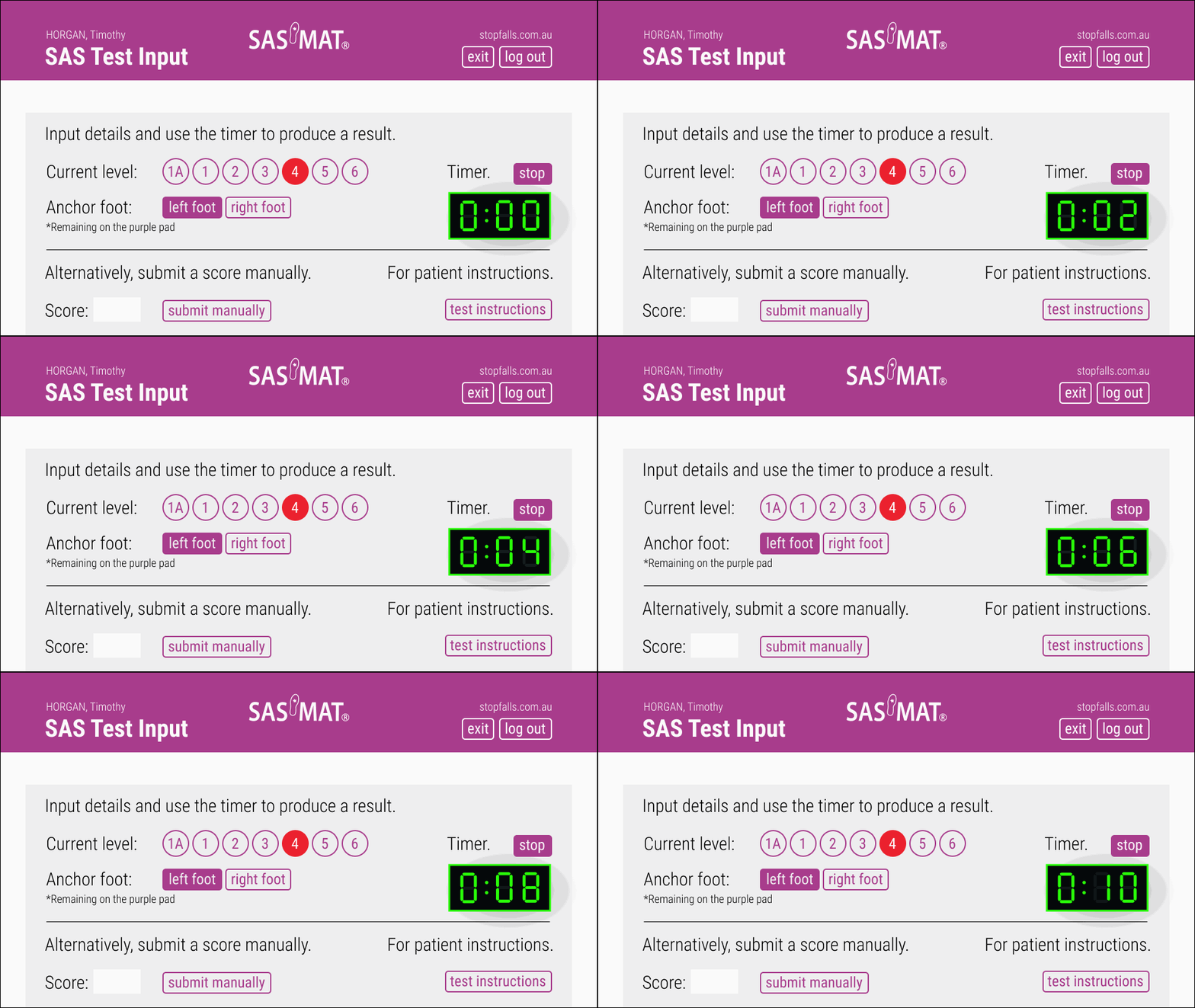
The SAS Measure can be found using the SAS Test. Below is the calculator interface used for the SAS Test.
.gif)
In the SAS Test, each level is timed. If the user successfully holds a stance for 10 seconds, they move up to the next level. If not, the time level and time they held the stance for is used to formulate a score.
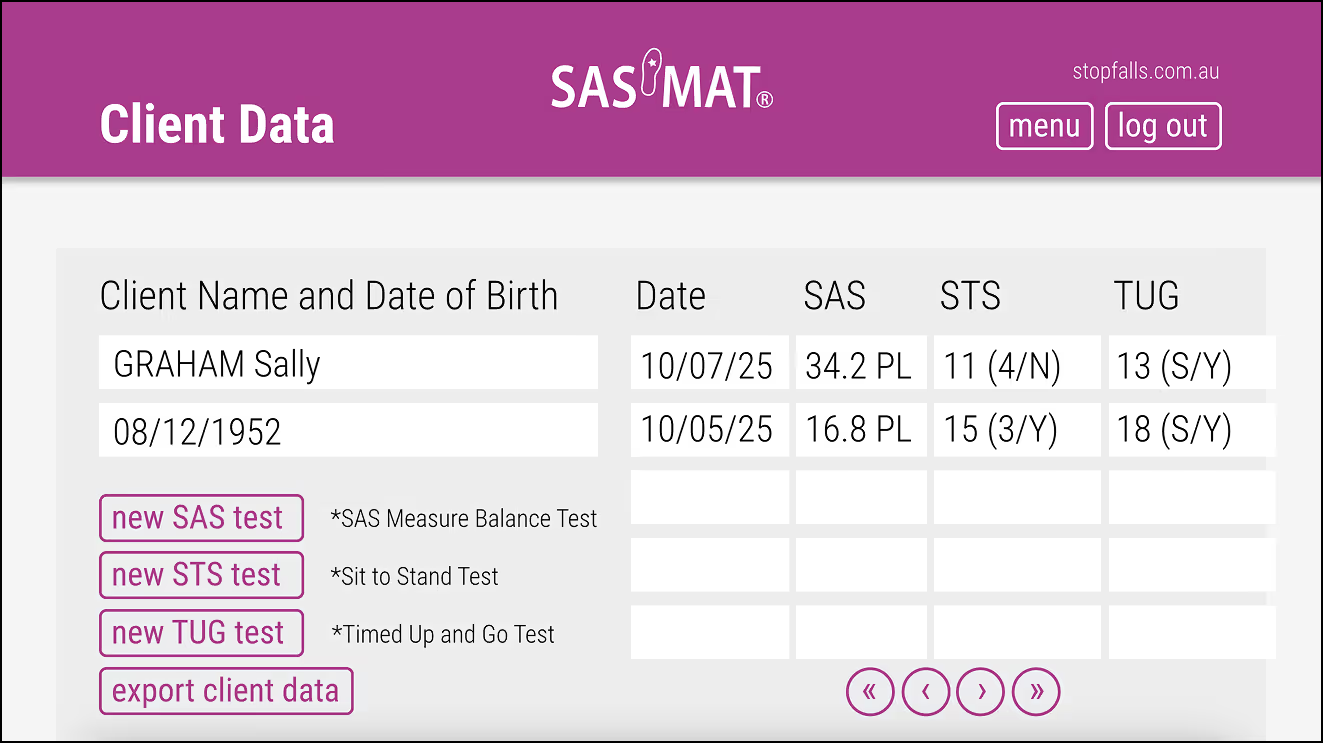
Below, the patient window shows test data for a mock patient (client). In this specific case, an xAPI query has organised found and organised 6 separate test statements into the table.
In this mock example, the patient might have signed up to a 2 month physiotherapy program to improve her balance. The physiotherapist has conducted testing at the beginning and end of the program in order to quantify the patient's improvement over this period.
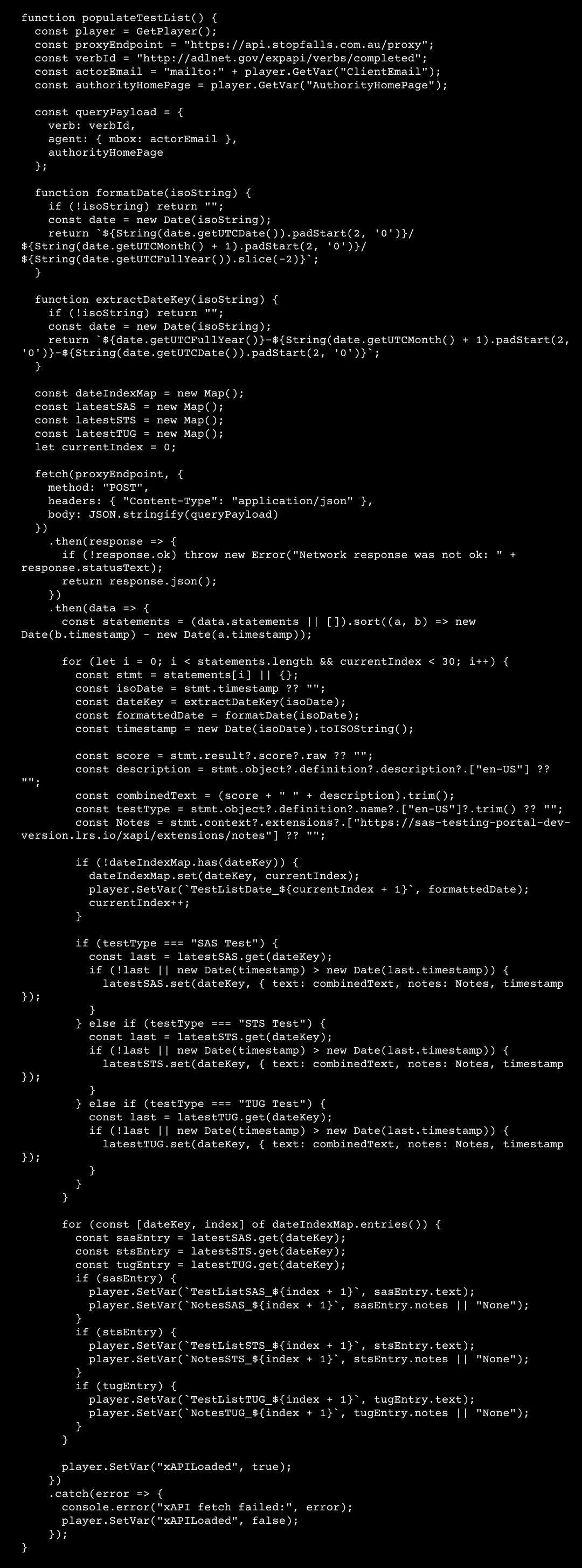
The query used to return and organise these results is written below. It uses an asynchronous fetch function to allow other areas of the page to operate—whilst it is still processing. It makes up one of five query templates used in this project.
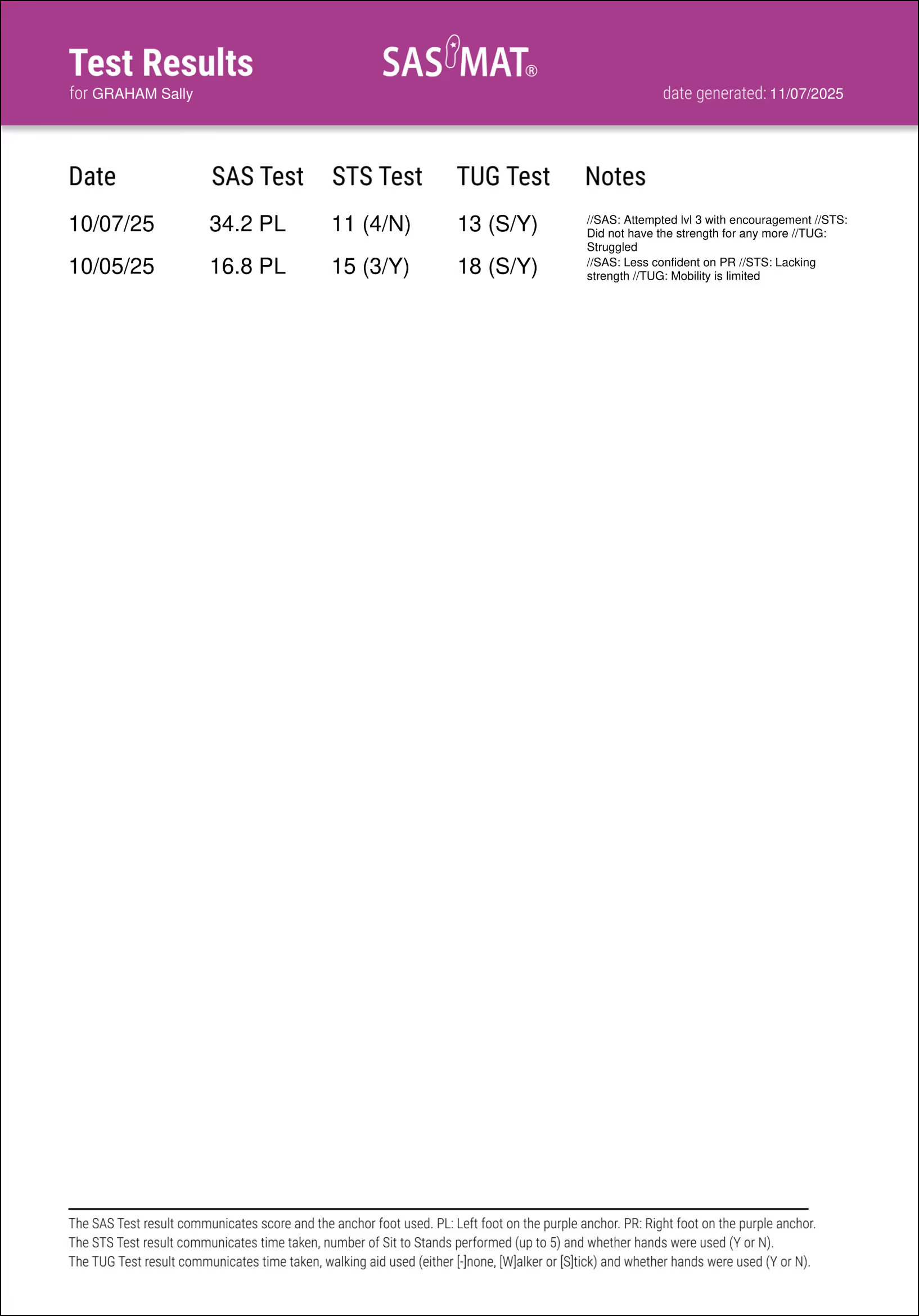
Using the 'export client data' button, test results are exported to PDF (see below). The PDF also includes notes that were taken during each of the tests.